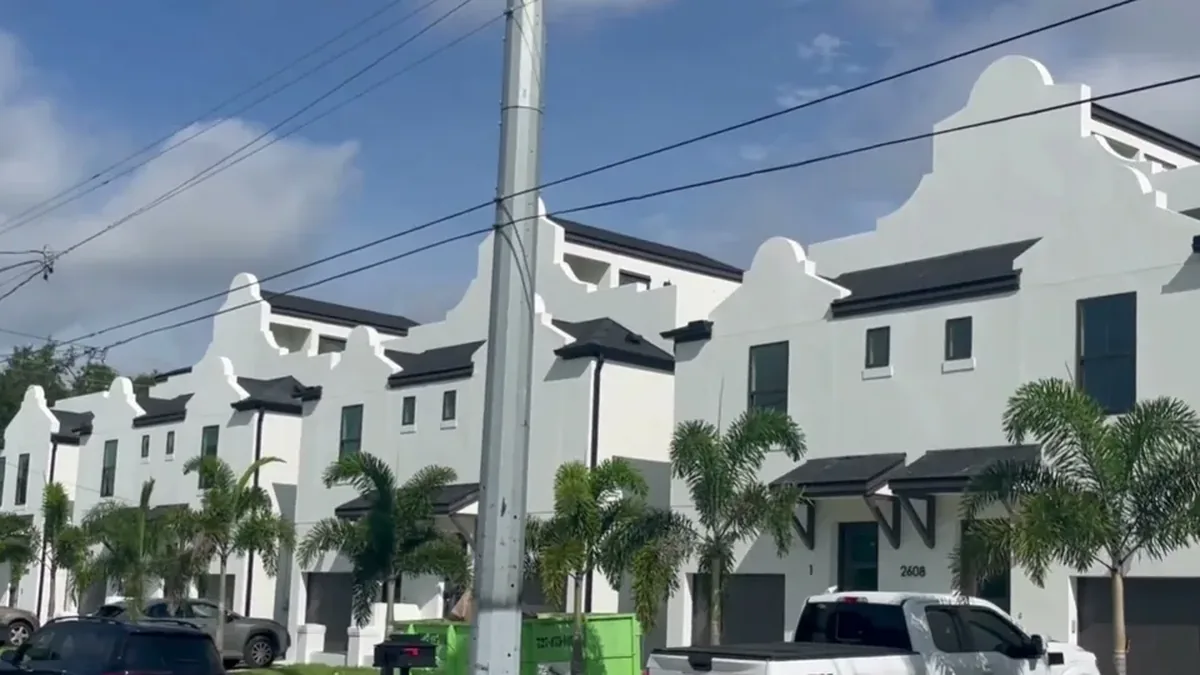
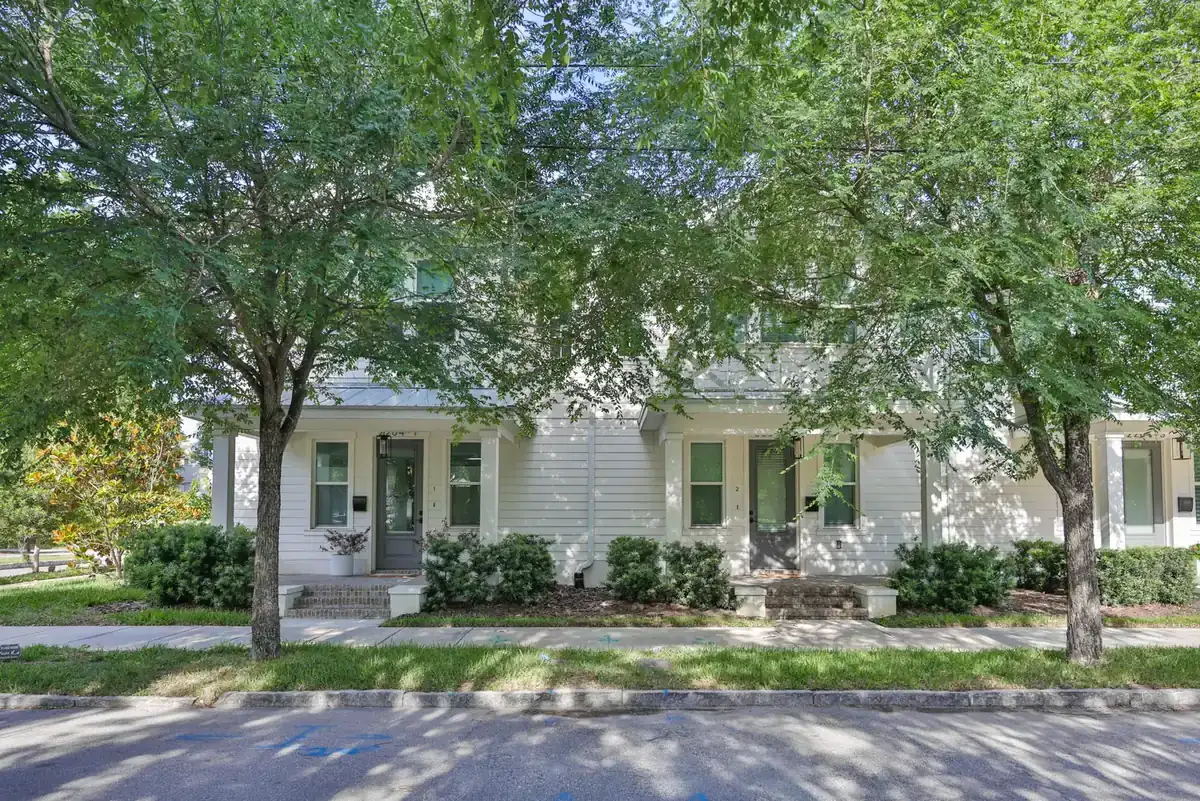
You can stand on a South Tampa street and look at two buildings that are, to the eye, the same thing. Two or three stories. Attached. A garage underneath. Same era, same block, same finishes.
One of them has an HOA fee in the three to five hundred range. The other is closer to six to eight hundred, and near the water it climbs from there. One of them you can buy with three percent down. The other might need twenty-five.
Nothing you can see from the sidewalk tells you which is which.
The short version, in under a minute.
What You Actually Own
The difference is not architectural. It is in the legal description, which is the language the association documents are written in, and it decides almost everything downstream.
With a townhome, you own the land your unit sits on. With a condo, you own the unit itself, the air inside the walls, and not the ground underneath it. That single distinction is why the fees are so different. If you own the land, there is less for the association to take care of. If you do not, the association takes care of nearly everything, and you pay for nearly everything.
There are rules of thumb. Townhomes are usually two to three floors, attached, with common walls. Condos usually mean someone above or below you. Anything midrise or highrise with an elevator is a condominium, full stop. But these are habits, not laws, and in South Tampa there are exceptions on plenty of streets.
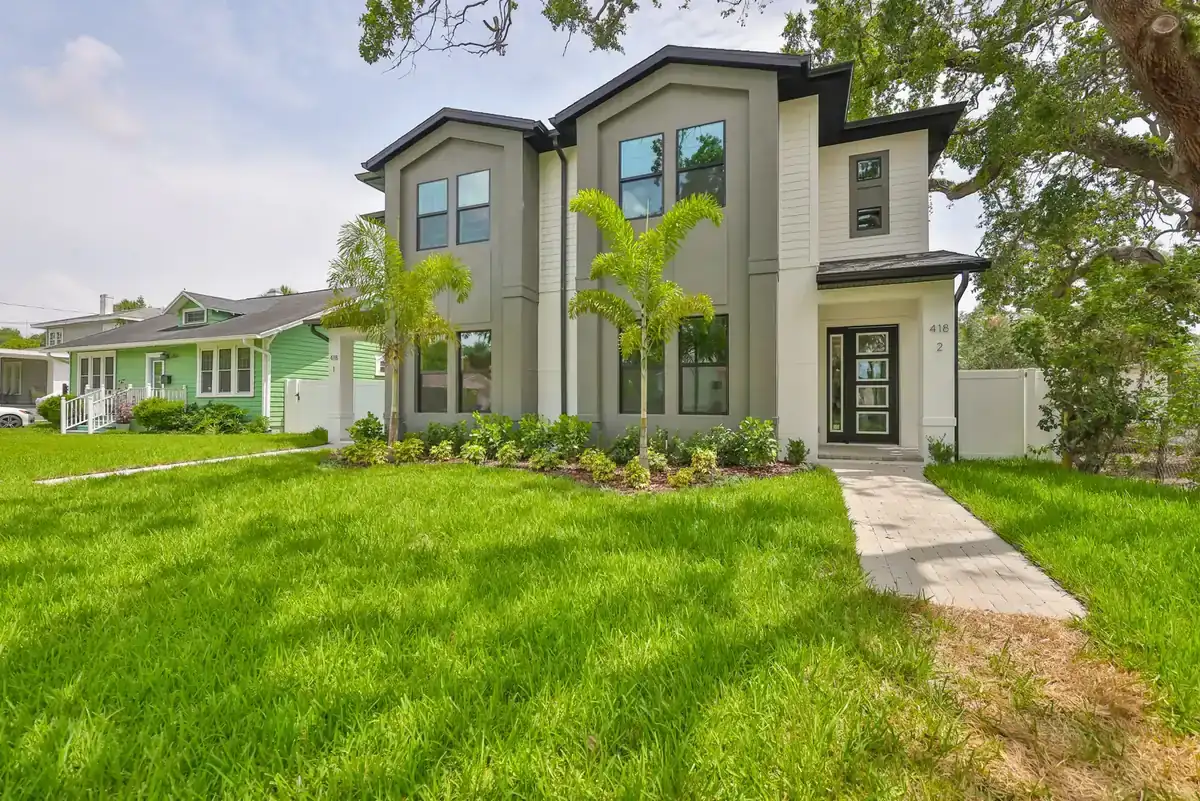
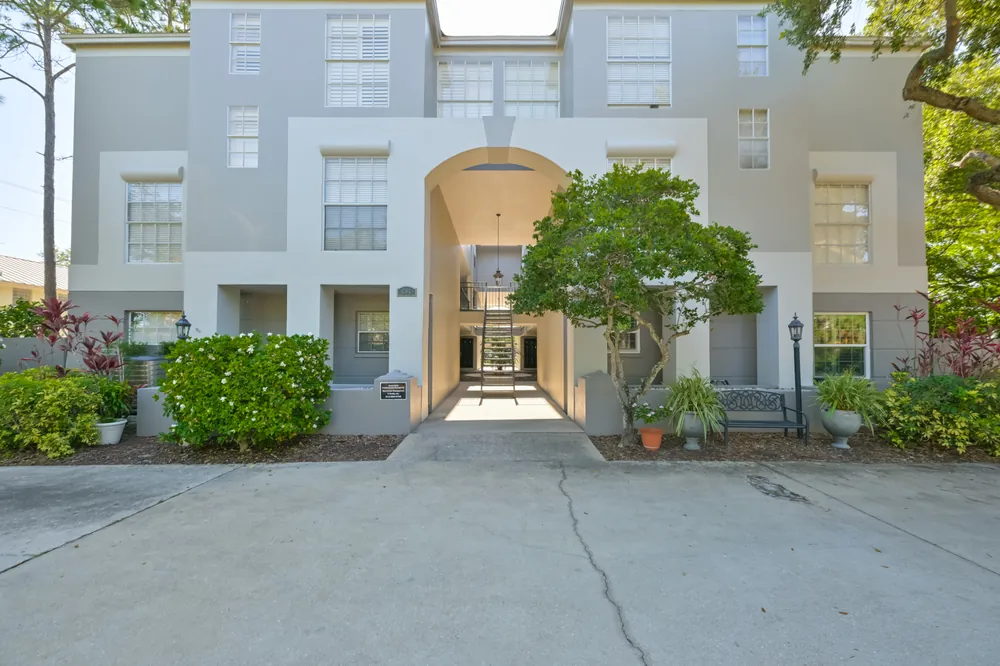
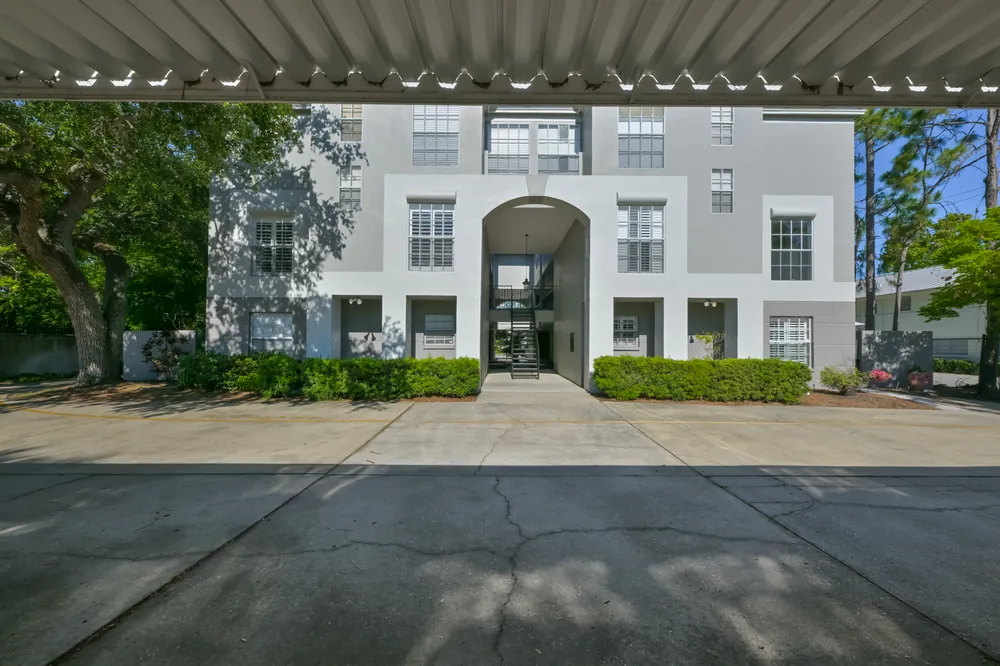
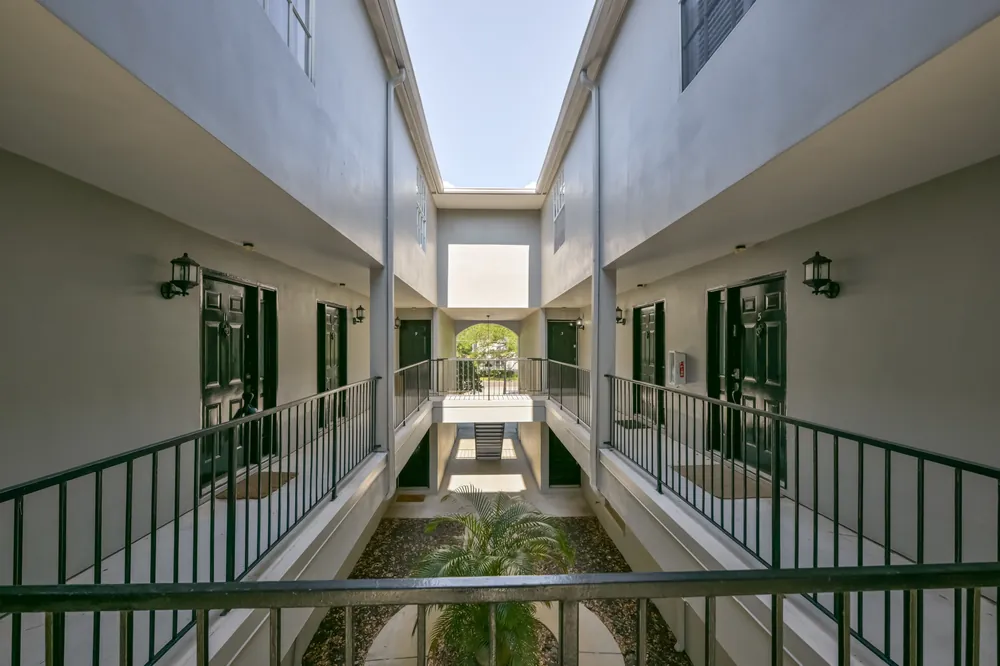
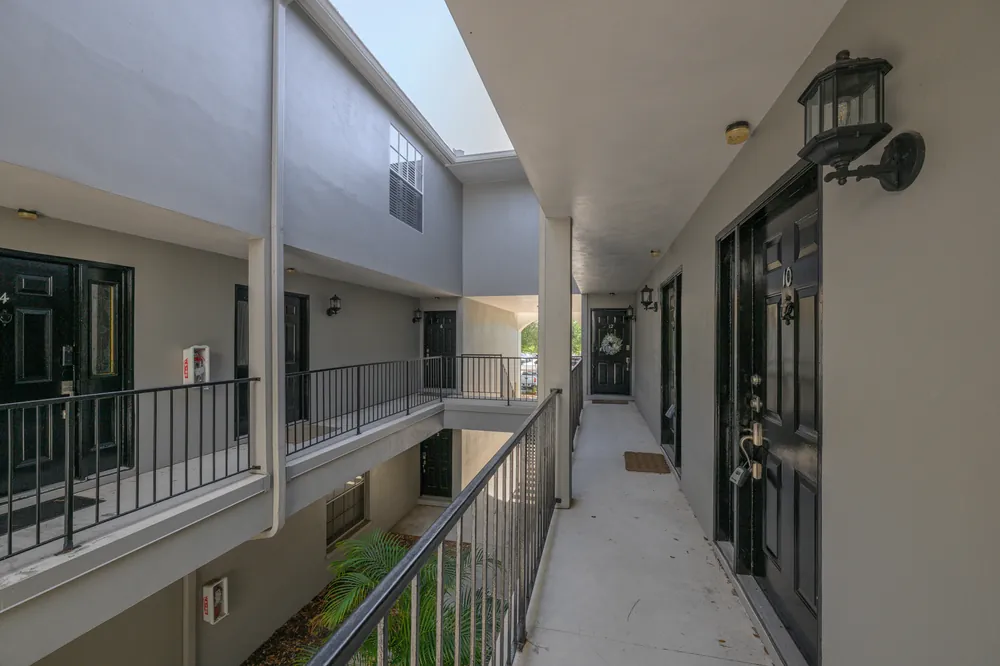
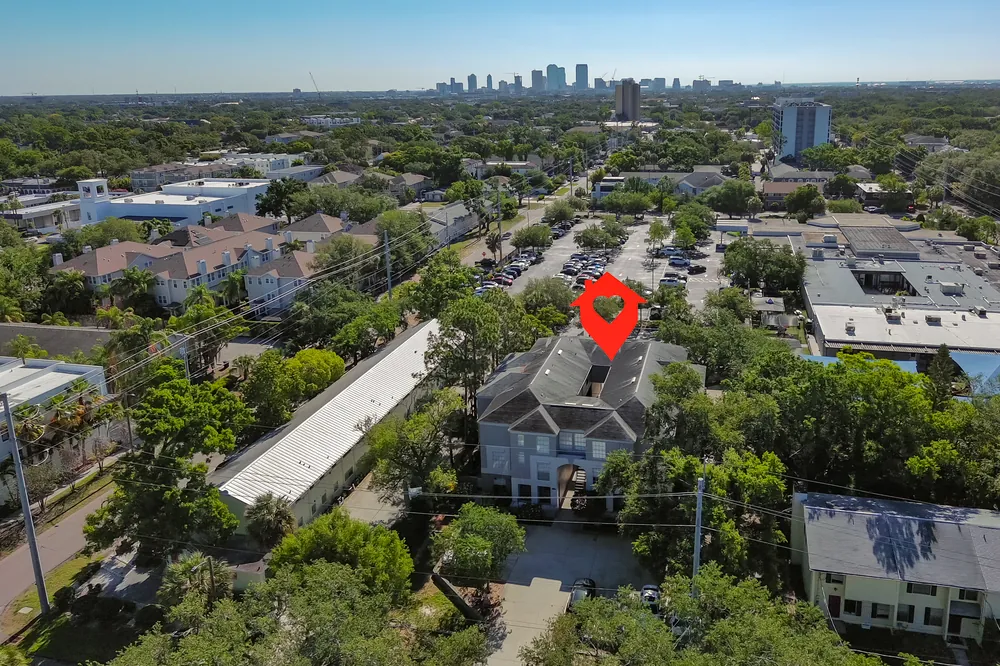
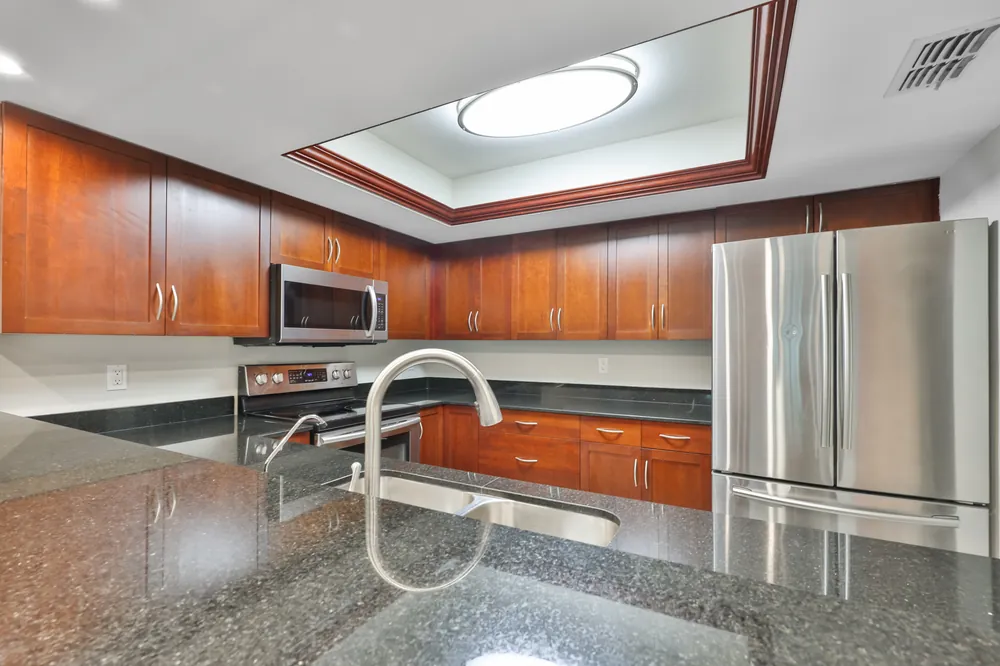
Everything in the first five frames is the association’s to maintain and yours to pay for. The sixth is the part that is actually yours. Photographs are 606 S Glen Avenue #10 in South Tampa, one of Kevin’s current listings.
Florida writes the two into separate chapters of law. Condominiums fall under Chapter 718. Homeowners associations, which is what governs most townhomes and planned communities, fall under Chapter 720. Two buildings that look identical can sit in different chapters, and the chapter is what sets the cost.
What Changed in 2026, and Who It Lands On
This is the part that has made the gap much wider than it used to be, and most buyers have not caught up to it.
After Surfside, Florida required condominium buildings three stories and taller to carry out milestone inspections and structural integrity reserve studies. Associations also lost the ability to vote to waive reserves, which many of them had been doing for years. They now have to fund structural components properly, on a schedule, starting now. For a lot of buildings the deadline falls at the end of 2026.
In buildings that had been putting nothing aside, monthly dues have doubled or tripled to catch up.
Here is the part that matters for anyone choosing between the two: those requirements sit in Chapter 718. They apply to condominiums. A townhome community under Chapter 720 is generally outside them. Same street, same year built, and one of them has a structural reserve obligation the other does not.
Which is also the trap. If a townhome development was structured as a condominium, and some are, it is a Chapter 718 building no matter what the listing calls it, and all of it applies.
The Part That Decides Your Loan
An HOA fee is not only a monthly cost. In a condo, it is a financing gate, and this is where buyers get hurt.
Lenders look at the health of the whole association, not just your file. If a condominium project fails that review, it is called non-warrantable, and conventional financing largely goes away. What is left is portfolio or DSCR lending, which in practice means twenty to thirty percent down and an interest rate a point or two higher. There is no single published minimum. It moves by lender and by exactly why the building failed.
Two things are tightening this right now. From August 2026, every loan in a condo project with more than ten units has to go through a full project review, with the lighter review that used to be available for many buildings gone. And by early January 2027, associations need to be putting at least fifteen percent of their budgeted assessment income into reserves, up from ten, or the building loses warrantable status.
Read that twice, because the consequence is not obvious: an association that underfunds its reserves is quietly making its own units harder to sell. Every future buyer in that building needs a bigger down payment and gets a worse rate. Owners usually find this out when they try to leave.
A townhome under Chapter 720 does not carry that risk in the same way. Depending on your loan type, three percent down is on the table.
What I Look For in the Documents
When I open an association's paperwork, the first thing I am weighing is the age of the place against what they have actually been setting aside.
Older buildings are where it bites. The pool needs work. The building needs painting. The roof is near the end. You assume your dues have been going toward exactly that, and then the association comes back and says they are short, and would everyone please pay more. A special assessment is not a small surprise. It can be tens of thousands of dollars, and it lands on whoever owns the unit on the day it passes.
After that, in rough order:
Condos generally carry more restrictions than townhomes, and leasing is where that shows up most. Minimum lease terms, caps on how many units can be rented at once, approval processes for tenants. Short term rentals are frequently restricted or banned outright. Townhome communities tend to leave you more freedom, though that is a tendency and not a guarantee.
If you are buying something you will not live in year round, or you are looking at your first investment property, those pages decide whether the plan works at all.
If the Community Says 55 and Older
Age restricted communities run on a separate set of rules again, and they are widely misunderstood.
The federal standard requires that at least eighty percent of occupied units have at least one resident aged fifty five or older. The community also has to publish policies showing it intends to operate as housing for older persons, and it has to verify ages with real documentation and re-check at least every two years.
Two things surprise people. The first is that the remaining twenty percent is not a right. Buyers often hear about the eighty twenty split and assume there is a lane for someone younger. There is not. That margin belongs to the association, and plenty of communities choose to run fully age restricted and turn younger buyers away even when they have room.
The second is the gap between owning and living. In many of these communities you can purchase at any age, but you cannot occupy the home unless you meet the age rule. For an investor or an adult child buying for a parent, that distinction is the whole deal, and it is written in the documents rather than the listing.
Why Nobody Can Tell You What the Fee Covers
You will find plenty of pages that hand you a tidy list of what a townhome fee includes. I would not trust them.
Two communities charging the same four hundred dollars can be buying completely different things with it. It depends on how the association is run and what they are choosing to do with the money. Security or no security. How the grounds are cleaned and how often. Whether there are walls, structures, a clubhouse. Whether exterior maintenance sits with the association or with you.
The honest version is that the number on the listing tells you almost nothing on its own. What matters is how much communal space needs looking after, and who is on the hook for it. In South Tampa specifically, townhome communities tend to carry fewer shared amenities than you would find elsewhere, which is part of why the fees run lower here. Beach communities are the other direction and run higher.
Only the Documents Settle It
There is no way around this. You cannot tell from the street, you often cannot tell from the listing, and the listing agent may not know either. The declaration and the legal description state what you own, and until somebody reads them, everything else is a guess.
That is the work I would rather do before you have fallen for a place, not after you are under contract and the clock is running. It takes me very little time and it has changed people's minds more than once.
If you are weighing a townhome against a condo anywhere in South Tampa, send me the address before you write an offer. I will pull the documents and tell you what you are actually buying, what the fee is really paying for, and whether the building is going to finance.
Call or text me directly at 727-410-8599.